The Challenge: Seeing Beyond Existing Products
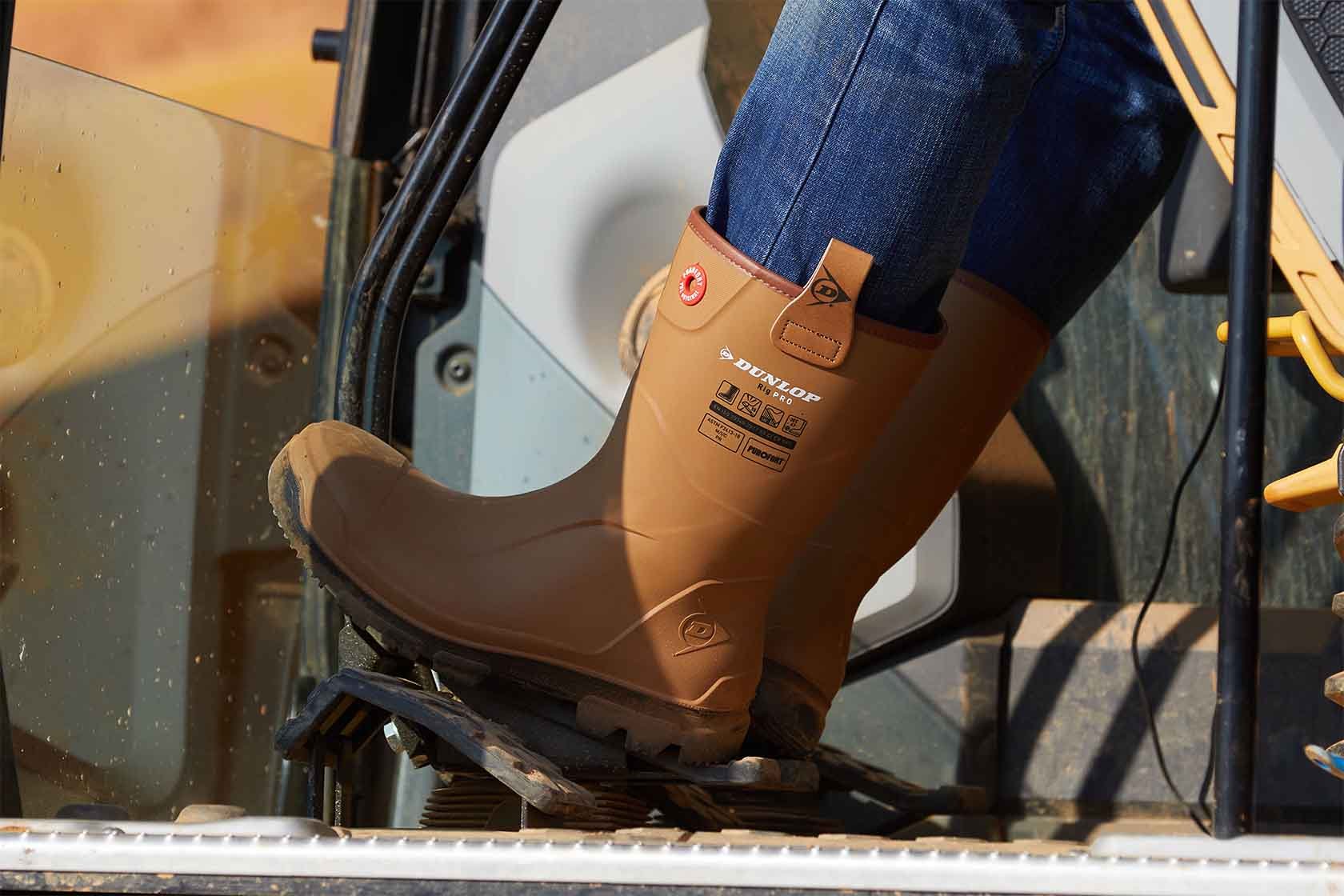
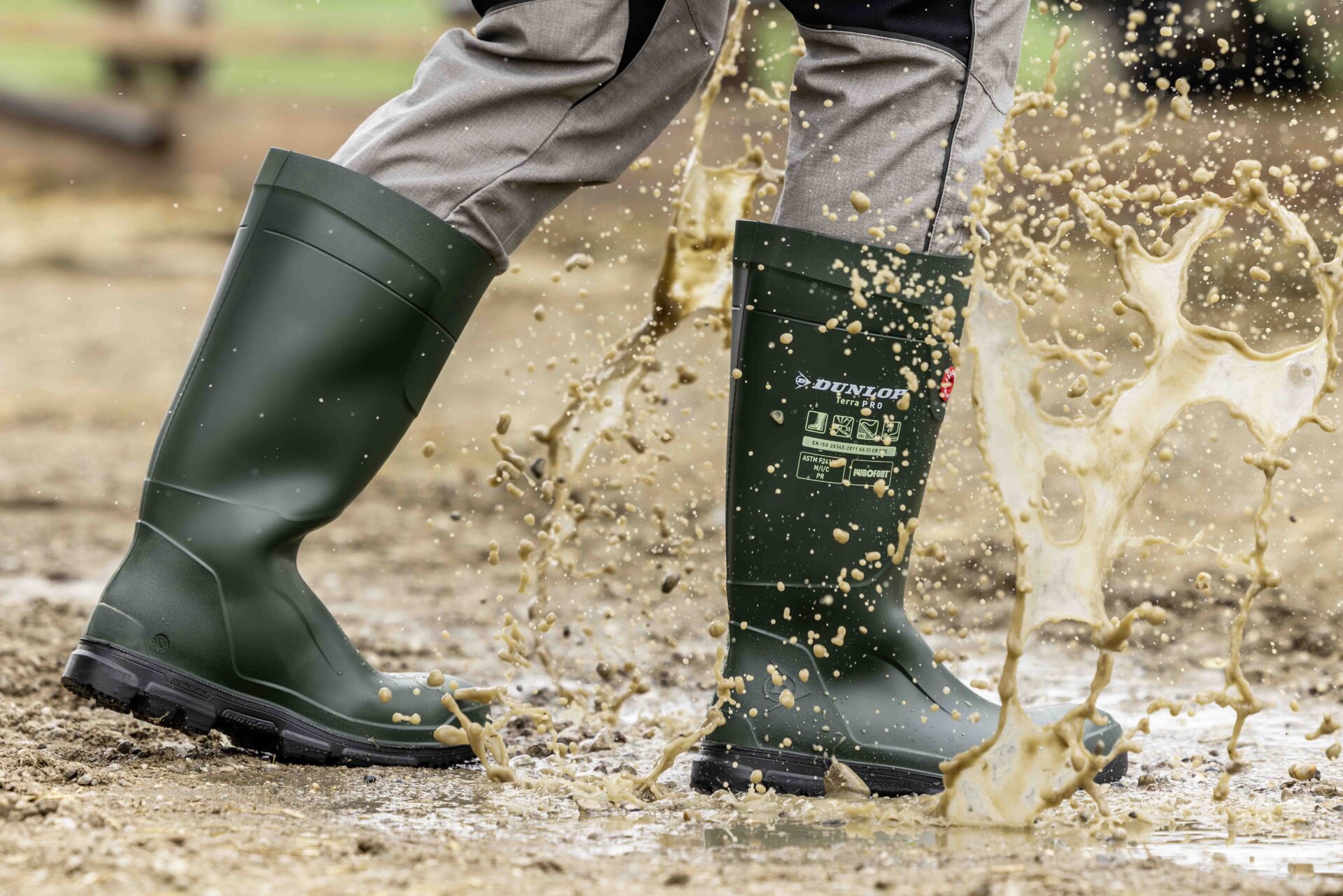
Dunlop designs and produces protective and leisure footwear for customers in more than 100 countries — from industrial workers to weekend adventurers.
Each market has its own culture, climate, and consumer language, making it increasingly complex to understand how needs shift globally.
Before Trendata, product development relied heavily on sell-out data, customer reviews, sentiment analysis, and marketplace signals.
These inputs were useful, but they mostly showed what consumers thought about existing products — not what they were starting to look for next.
As a result, several parts of the innovation process lacked early visibility:
- Market discovery showed how current products performed, but early signals of new demand remained hidden.
- Concept validation relied on retrospective feedback, not forward-looking insights.
- Design depended on internal expertise without granular, regional nuance.
- Launch timing reflected experience rather than predictive indicators.
Dunlop saw an opportunity to base product decisions on real consumer orientation, not assumptions.
The Shift: From Product-Centric Data to Predictive Discovery
Trendata Market Intelligence enabled Dunlop to move from retrospective insights to a continuous, real-time understanding of emerging consumer interest.
Instead of waiting for marketplace feedback, the team could now see:
- how demand shifted week by week,
- which features and silhouettes consumers showed interest in,
- how categories developed over time,
- and where regional differences mattered most.
This allowed Dunlop to identify new opportunities long before they appeared in sales numbers — and long before competitors saw them.
The Insights: What Dunlop Discovered — and What It Enabled
Trendata’s orientation data revealed a much richer picture of consumer needs than sell-out or review data alone.
Across markets, consumers showed emerging preferences for colors, silhouettes, and new categories — helping Dunlop understand what people were beginning to look for.
One of the clearest signals was the rise in interest in women’s footwear.
Rather than adapting existing boots, the data showed a need for new silhouettes and proportions designed specifically for women.
This gave Dunlop the confidence to create its first-ever women’s line — built entirely from the ground up.
Trendata also highlighted growing interest in leisure-oriented boots, a category that had previously been secondary for the brand.
What once appeared niche became visible as a meaningful opportunity supported by clear demand signals.
With this clarity, Dunlop shaped collections that directly aligned with what consumers were showing interest in — laying the foundation for one of the most successful product launches in the company’s history.
The Impact: Faster Decisions, Better Products, Stronger Results
Using Trendata’s predictive insights, Dunlop was able to:
- Identify rising demand early — ahead of competitors
- Build products aligned with real consumer needs
- Confidently expand into women’s and leisure footwear
- Improve relevance across regional markets
- Reduce reliance on assumptions and shorten development cycles
This shift led to two major breakthroughs:
- Dunlop’s first leisure range
- Dunlop’s first women-specific line
Both quickly became standout performances in the portfolio.
The Transformation: From Reactive to Predictive Innovation
Today, Dunlop uses Trendata to continuously track how consumer needs evolve across global markets.
Real-time orientation data now guides every step — from early discovery to launch execution.
Innovation has become a continuous, outside-in process that keeps the brand ahead of change.
That’s the power of predictive market intelligence — powered by Trendata.